
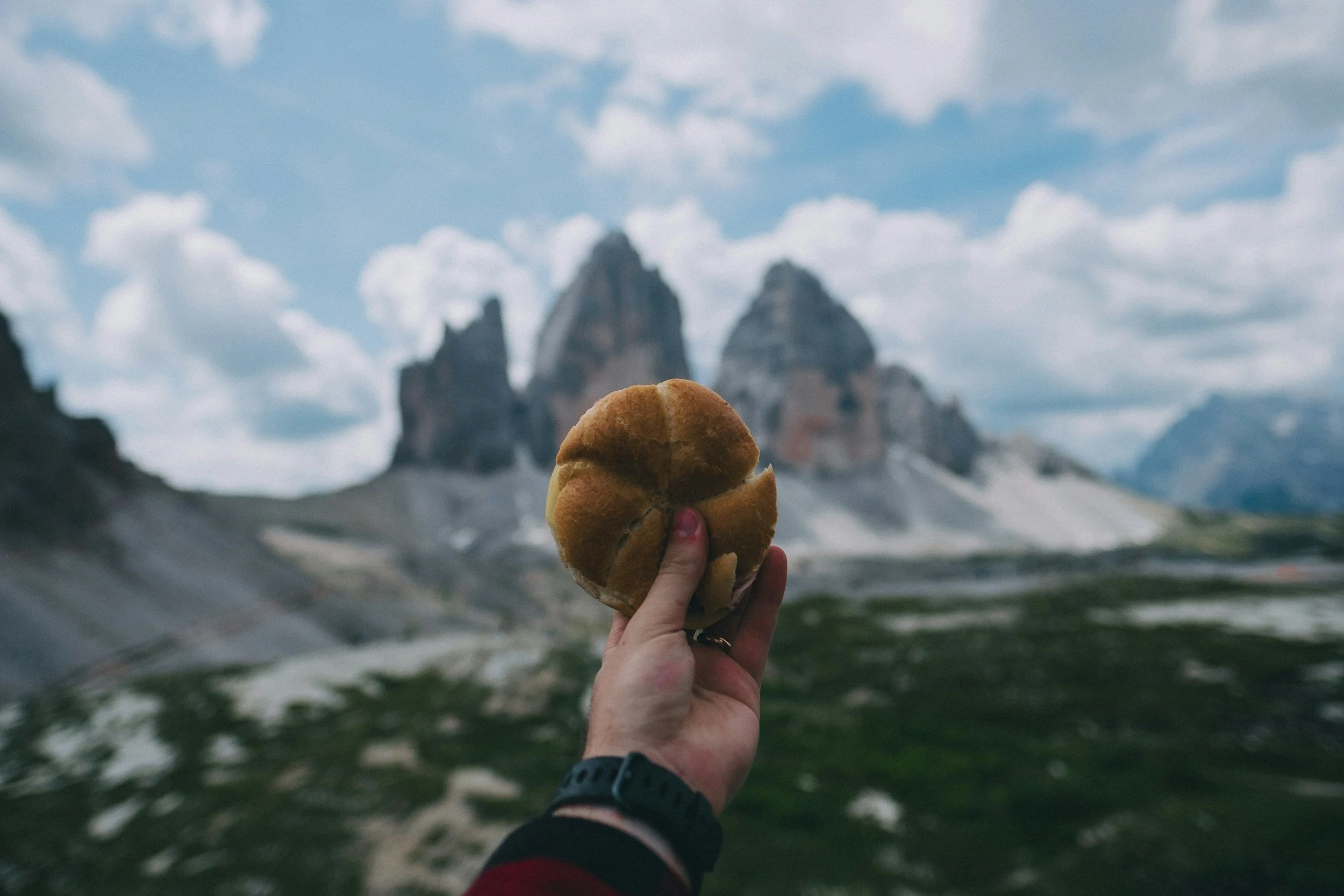
Hiking Nutrition Guide for UK Adventures
Fuel your day in the mountains
Eating well is one of the most important parts of any successful hiking day. Whether you’re climbing Snowdon, tackling Scafell Pike, summiting Ben Nevis, or taking on a challenge like the National Three Peaks or Yorkshire Three Peaks, the right food (and enough of it!) can make the difference between a great day out and a tough one.
This guide covers everything you need to know about mountain nutrition in the UK, including what to pack, how to stay hydrated, vegan and vegetarian snacks, and how to fuel for multi-day or wild camping trips.
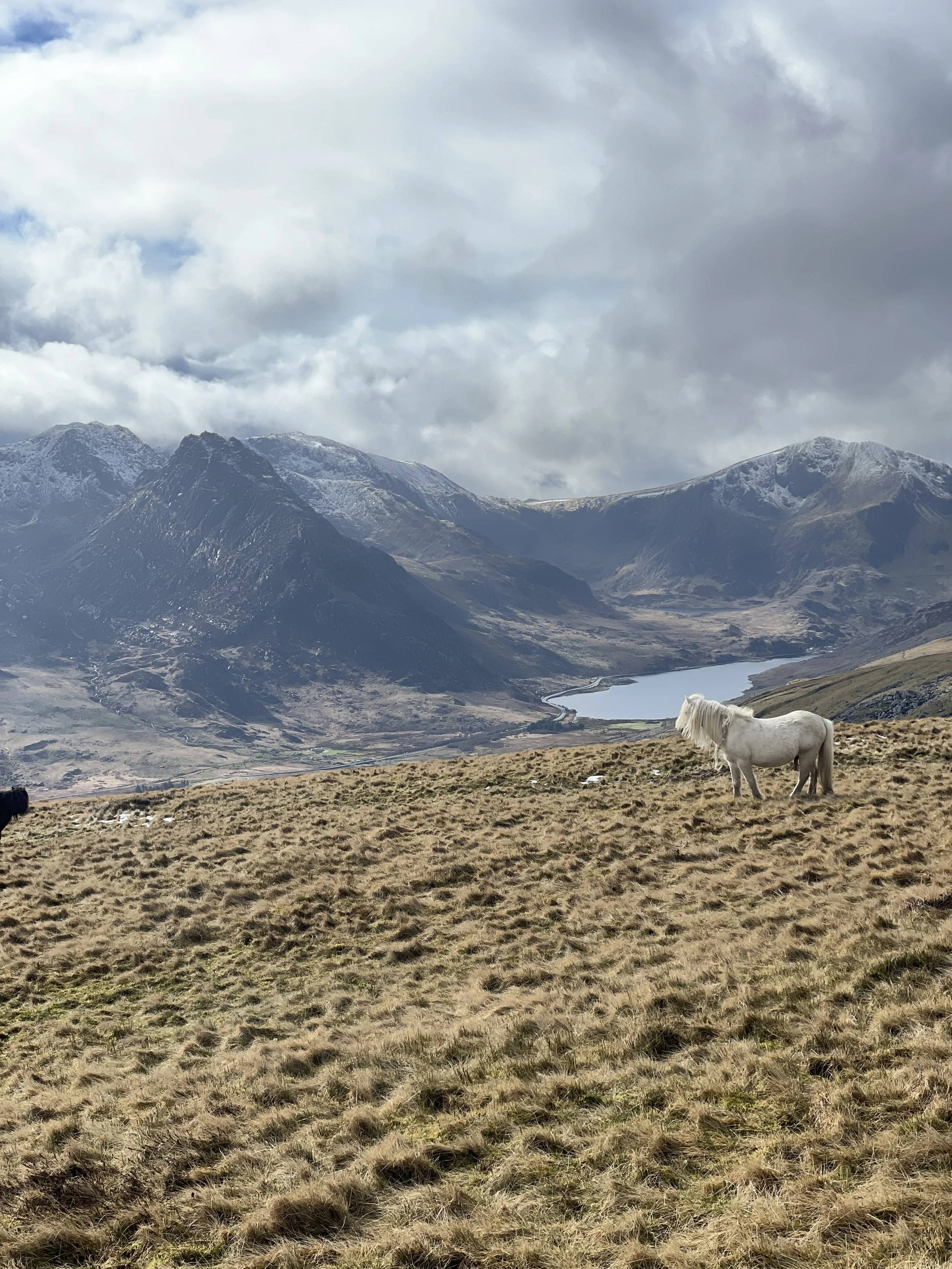
🌄 Before You Start: The Importance of Pre-Hike Fuel
A good hike starts before you’re on the trail. What you eat the night before and the morning of your hike sets your energy levels for the day.
The Evening Before
Aim for:
Complex carbs (pasta, rice, oats, potatoes)
Moderate protein (chicken, tofu, beans)
Hydration (plenty of water throughout the evening)
Avoid:
Heavy, greasy meals
Alcohol
Caffeine late in the day
Morning of Your Hike
You want slow-release energy and something your stomach tolerates well.
Good options:
Porridge with fruit, nuts, honey
Wholegrain toast with nut butter or eggs
Granola with Greek yoghurt or a dairy-free alternative
Smoothie with oats, banana, and protein powder
If you struggle to eat first thing, have something small (banana, cereal bar) and start your main breakfast once you’re moving.
Veggie & Vegan Ideas
Porridge with plant milk + chia seeds
Bagel with hummus
Overnight oats with berries and maple syrup
💧 Hydration: Don’t Wait Until You’re Thirsty
Hydration is just as vital as food.
How Much to Bring
Short hikes (Snowdon/Scafell Pike): 1.5–2 litres
Long days (Ben Nevis, big ridges): 2–3 litres
Challenges (Yorkshire Three Peaks / National 3 Peaks): 3+ litres (with refills)
Winter hiking: You often drink less without realising — aim for 2 litres minimum
Hydration Tips
Sip steadily throughout the day rather than taking big drinks
Add electrolytes on warm days or long challenges
In winter, use an insulated bottle or flask to stop water freezing
Avoid relying on streams unless you have a filter system
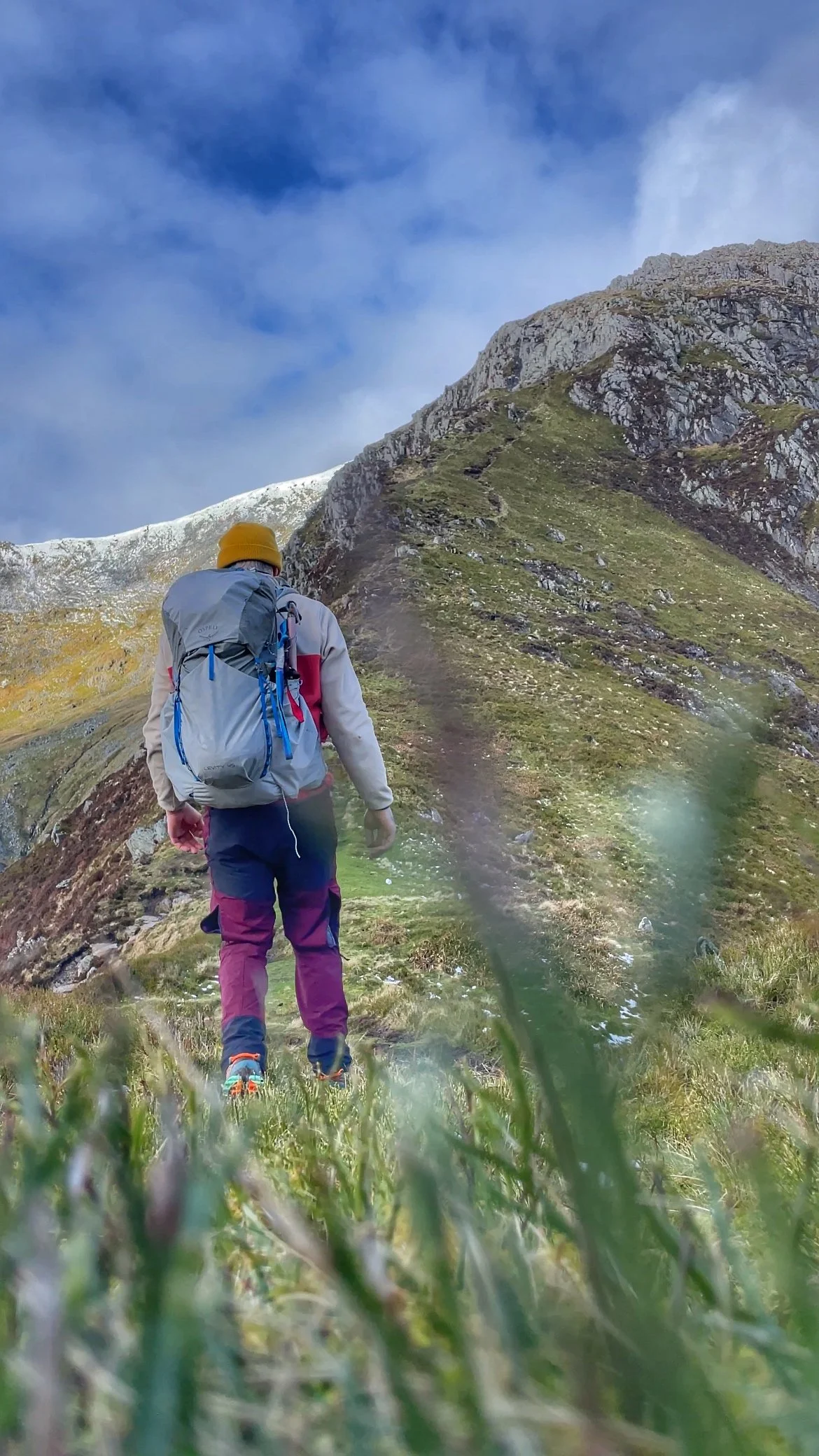
🥙 What to Eat During Your Hike
You burn a lot of energy in the mountains — often 2,000–4,000 calories on a full day. Think little and often, aiming to snack every 60–90 minutes.
Great Mountain Snacks
Trail mix (nuts, seeds, chocolate, dried fruit)
Sandwiches/wraps
Malt loaf
Energy bars / flapjacks
Crackers + cheese
Tortilla wraps with peanut butter or hummus
Bananas, apples, oranges
Crisps for salt replacement
Vegan & Vegetarian Options
Hummus and falafel wraps
Vegan jerky
Mixed nuts + dried fruit
Peanut butter wraps
Oat bars / flapjacks (many vegan varieties)
Dark chocolate
Lentil chips / salted snacks
For Harder Days (Snowdon via Crib Goch, Scafell Pike from Eskdale, Ben Nevis CMD Arete)
Choose:
Higher-carb snacks
Quick-hit sugars like jelly babies or energy chews
Easy protein (graze constantly, don’t wait for lunch)
🏔️ What to Pack for Popular UK Summits
Climbing Snowdon (Yr Wyddfa)
2 litres water
Sandwich or wrap + 2–3 snacks
High-energy options for the final push (flapjack, chocolate)
Electrolytes in summer
Warm drink in winter
Scafell Pike (Lake District)
2–3 litres water (the Lakes can be humid)
Light lunch + steady snacks
Saltier snacks for ridges and heat
Carb-dense food for rocky ascents
Ben Nevis (Scotland)
2–3 litres water
High-calorie lunch (wraps with protein)
Plenty of snacks — it’s a long descent
A warm drink is a game-changer in cooler weather
In winter: a flask with soup + high-fat snacks (chocolate, nuts)
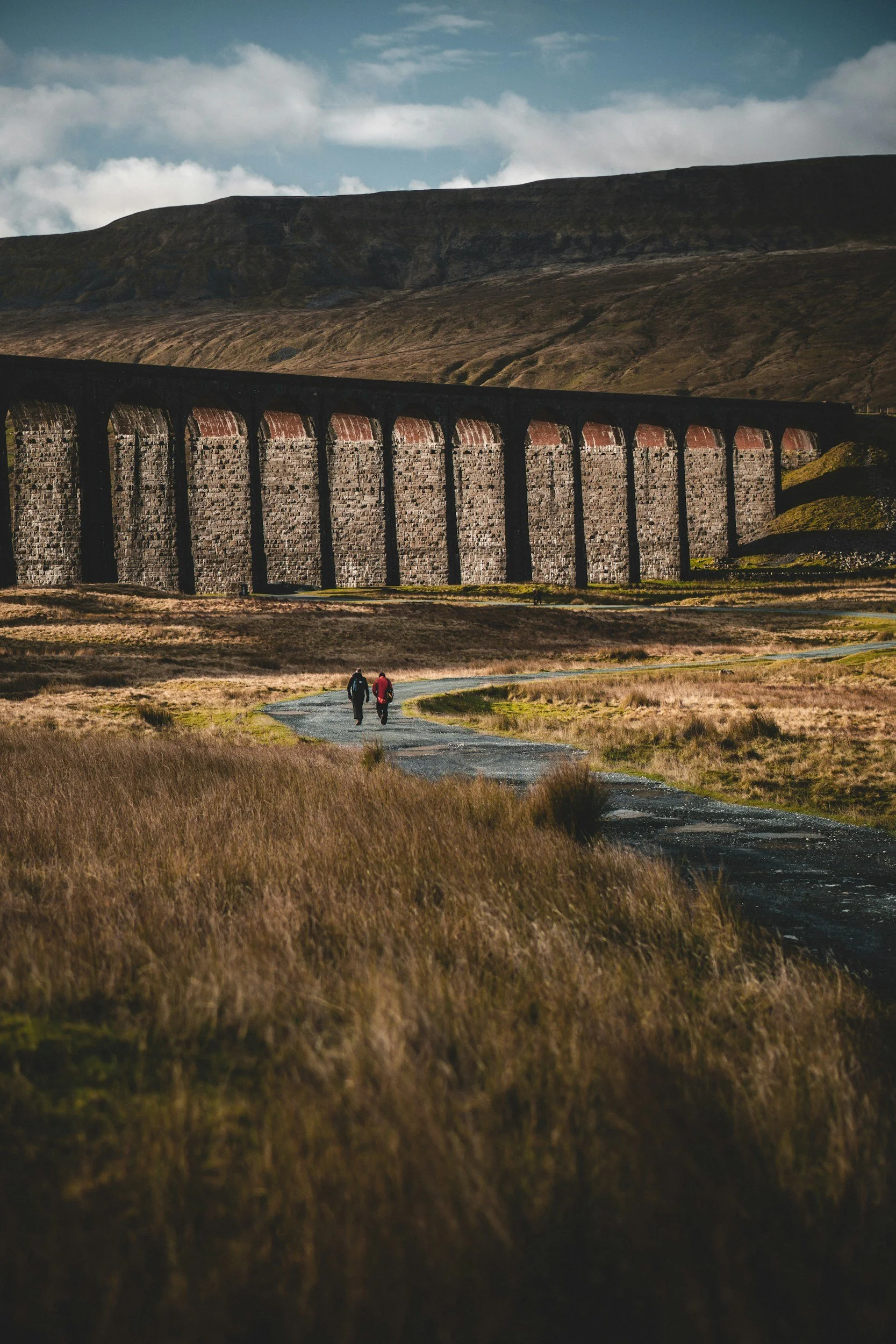
🚀 Fuel for Long Challenges
Yorkshire Three Peaks
Aim for:
3–4 litres water (refill mid-route if possible)
High-carb foods
Portable salty snacks
At least one “proper” lunch (wrap, pasta pot, rice pouch)
Great options:
Pasta salad
Nut butter wraps
Energy bars
Fruit/nut mix
Crisps, pretzels
National Three Peaks
Think round-the-clock fuelling:
You’ll need:
4–6 small meals across the 24-hour window
Snacks for the drive
Hydration throughout
Examples:
Pasta pots
Couscous packets
Instant oats
Rice pouches (microwave-free if needed)
Sandwiches, wraps, flapjacks
Vegan alternatives
Bean wraps
Tofu + veggie pasta pot
Vegan protein bars
Hummus + crackers
🏕️ Nutrition for Wild Camping & Overnight Adventures
When you’re carrying all your food, weight matters — but so does getting enough calories to stay warm and energised.
Lightweight Meal Ideas
Dehydrated meals (Firepot, Summit to Eat, etc.)
Instant noodles with added nuts or cheese
Couscous with spices
Instant rice packs
Porridge sachets
Vegan / Veggie Options
Lentil packets
Vegan couscous pots
Plant-based dehydrated meals
Peanut butter sachets
Dried fruit + nut mixes
Don’t Forget
A treat for camp morale
Hot drink supplies
Breakfast that’s easy to eat while packing down
☀️ ❄️ Seasonal Nutrition: Summer vs Winter
Summer
Focus on hydration
Include electrolytes
Fresh fruit travels well
Avoid chocolate that melts
Lighter, quicker snacks work best
Winter
You burn more calories
Include more fats (nuts, cheese, dark chocolate)
Carry a warm drink
Avoid foods that become too hard (protein bars can freeze!)
Soup or instant noodles are great lunches
🧡 Final Tips for Mountain Nutrition
Eat before you feel hungry
Sip before you feel thirsty
Keep food accessible — pockets, hip belts, side pouches
Test foods on smaller hikes before big challenges
Pack more than you think you need
Good nutrition keeps you moving, thinking clearly, and enjoying your day — no matter the weather or terrain.
🧭 Ready for Your Next Adventure?
If you’d like support planning, fuelling, or completing your next mountain day, we’re here to help.
👉 Guided Snowdon Days
👉 Scafell Pike Summits
👉 Mountain Skills Weekends
👉 Wild Camping & Overnight Expeditions
👉 Three Peaks Challenges
Explore all experiences → /adventures
Talk to our team → /contact